
Corneal crosslinking is a treatment designed to strengthen the cornea and help slow or stop the progression of keratoconus, a condition that can lead to distorted or blurry vision over time.
At Holly Springs Eye & Laser, care is led by Dr. Faraaz Khan, a board-certified ophthalmologist and fellowship-trained cornea and refractive surgery specialist with advanced training in the management of corneal disease. His expertise allows for precise evaluation and personalized treatment planning.
If you’re experiencing vision changes, corneal crosslinking may help stabilize the cornea and support long-term eye health.
What is Keratoconus?
Keratoconus is a condition where the cornea—the clear, curved front surface of the eye—gradually becomes thinner and weaker. Under normal circumstances, the cornea maintains its smooth, dome-like shape thanks to strong collagen fibers that provide structure and support. When these collagen fibers begin to lose their stability, the cornea can no longer maintain its shape.

As the cornea weakens, it starts to protrude forward, forming a cone-like shape. This irregular surface causes light to scatter as it enters the eye, leading to distorted or blurry vision. Over time, keratoconus can make it difficult to see clearly at all distances, and many patients notice increased glare, halos around lights, or a need to frequently update their glasses prescriptions.
What Causes Keratoconus?
The exact cause of keratoconus isn’t fully understood, though many experts believe genetics plays a role. Several factors may increase risk, including:
Because keratoconus often progresses during younger years, early diagnosis and treatment can make a significant difference.
What Is Corneal Crosslinking & How Does it Treat Keratoconus?
Corneal crosslinking is a treatment designed to strengthen the cornea and slow the progression of keratoconus. It works by reinforcing the collagen fibers that maintain the cornea’s shape.
During the procedure, vitamin B2 (riboflavin) eye drops are applied and absorbed into the corneal tissue. A controlled amount of ultraviolet (UV) light is then directed at the eye, activating the riboflavin and triggering a strengthening reaction.
This process creates additional bonds, or “crosslinks,” between the collagen fibers. These bonds improve the cornea’s stability, helping it better maintain its shape and reducing the thinning and bulging associated with keratoconus.
The Benefits of Corneal Crosslinking
The main benefit of corneal crosslinking is that it stabilizes the cornea, helping preserve vision and slowing or halting the progression of keratoconus.
Many patients appreciate that crosslinking is a nonsurgical approach and that recovery is quicker than with surgery. Most people resume regular activities within a couple of weeks.
Care for keratoconus focuses on clear evaluation, patient education, and ongoing monitoring. From diagnosis through follow-up, treatment planning is guided by clinical findings to support long-term vision health.
If keratoconus has progressed to a more advanced stage, corneal crosslinking might not be the right approach. In this situation, a corneal transplant could be the best option for preserving vision.
Who Is a Candidate for Corneal Crosslinking?
Corneal crosslinking is typically recommended for patients with keratoconus or other signs of corneal weakening, particularly when there is evidence that the condition is progressing.
You may be a candidate if you:
- Have been diagnosed with keratoconus
- Are experiencing worsening or fluctuating vision
- Notice frequent changes in your glasses or contact lens prescription
- Have sufficient corneal thickness to undergo treatment safely
Because timing is important with keratoconus, early evaluation can help determine whether crosslinking is appropriate before the condition advances further. A comprehensive eye exam is needed to confirm candidacy and develop a personalized treatment plan.
Frequently Asked Questions
How Long Does Corneal Crosslinking Take?
The procedure typically takes about 60 to 90 minutes per eye, depending on the specific technique used and how the cornea responds during treatment.
Is Corneal Crosslinking Painful?
The eye is numbed before the procedure, so you should not feel pain during treatment. Some discomfort, light sensitivity, or a gritty sensation is common for a few days afterward.
What Is the Recovery Time After Corneal Crosslinking?
Most patients return to normal daily activities within one to two weeks, although vision may fluctuate during the healing process before stabilizing.
Will My Vision Improve After Corneal Crosslinking?
The primary goal of crosslinking is to stop or slow the progression of keratoconus. While some patients notice mild vision improvement, the procedure is not designed to fully correct vision.
Can Both Eyes Be Treated at the Same Time?
In many cases, each eye is treated separately to allow for proper healing and monitoring, though your doctor will recommend the best approach based on your condition.
Why Choose Holly Springs Eye & Laser for Corneal Crosslinking?
Patients choose Holly Springs Eye & Laser for corneal crosslinking because of the specialized expertise behind their care. Dr. Faraaz Khan is a board-certified ophthalmologist and fellowship-trained cornea and refractive surgery specialist who completed advanced training at the Flaum Eye Institute at the University of Rochester.
He has conducted research in corneal disease at the Wake Forest Institute for Regenerative Medicine and has published in the American Journal of Ophthalmology. Dr. Khan has also lectured nationally on advanced corneal procedures, including artificial cornea transplantation.
His background enables precise evaluation of keratoconus progression and careful, guided treatment planning focused on preserving long-term vision.
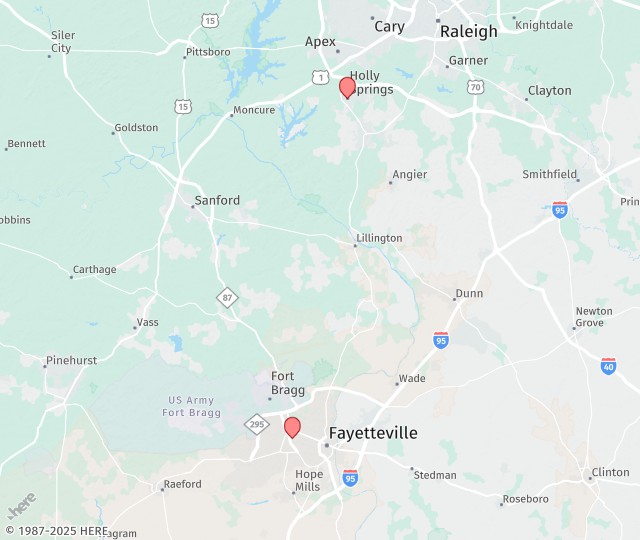
Explore Corneal Crosslinking in Holly Springs & Fayetteville, NC
If you have noticed changes in your vision or have been diagnosed with keratoconus, understanding available treatment options can help guide next steps in managing your eye health. To schedule a consultation at Holly Springs Eye & Laser in Holly Springs or Fayetteville, call 919-689-8920 or book your appointment now.