
Glaucoma affects more than 4 million Americans, and it’s one of the leading causes of vision loss. What many people don’t realize is that glaucoma is a treatable condition, and permanent vision loss can often be avoided when it’s detected early and managed appropriately.
At Holly Springs Eye & Laser, Dr. Faraaz Khan, a board-certified and fellowship-trained ophthalmologist, guides glaucoma care by evaluating and managing this condition, especially in its early stages when treatment is most effective.
What is Glaucoma?
Glaucoma develops when pressure inside the eye becomes too high for the optic nerve, leading to gradual damage that can affect vision.
Most forms of glaucoma progress slowly and without noticeable symptoms at first. Because changes occur over time, many people are unaware that their vision is being affected until the condition is more advanced. Vision loss caused by glaucoma cannot be reversed, and there is no cure once significant damage has occurred. However, early detection and appropriate treatment can often help prevent further vision loss.
Glaucoma can occur at any age, though it’s more common in older adults. Routine eye exams remain the best way to detect early signs of this condition.
What Are the Symptoms of Glaucoma?
There are several types of glaucoma, including open-angle glaucoma and acute angle-closure glaucoma. Symptoms vary by type and severity.
With open-angle glaucoma, common symptoms can include:
Acute angle-closure glaucoma causes more sudden and severe symptoms, which may include:
Acute angle-closure glaucoma can progress quickly and may result in permanent vision loss without prompt treatment. Prompt evaluation is recommended if these symptoms occur.
Who Is at Risk for Developing Glaucoma?
While glaucoma is more common in older adults, it can affect anyone. Factors that increase risk include:
How Is Glaucoma Diagnosed and Treated?
Glaucoma is diagnosed through comprehensive eye exams that assess eye pressure, optic nerve health, and visual field changes. Ongoing monitoring plays an important role in managing the condition and limiting further vision loss.
Treatment options may include medicated eye drops, oral medications, laser therapy, or surgical procedures, depending on the type and severity of glaucoma. Many treatment plans require consistent adherence, such as using prescribed eye drops regularly, to help slow progression.
When glaucoma is detected early, consistent care can significantly reduce the risk of additional vision loss.
How Is Glaucoma Monitored Over Time?
Glaucoma management often requires ongoing follow-up because changes in eye pressure or optic nerve health may occur before a patient notices a difference in vision. Appointment frequency depends on the type of glaucoma, its severity, current eye pressure, and how well treatment controls the condition.
Follow-up evaluations may include eye pressure measurements, examination or imaging of the optic nerve, and visual field testing to look for changes in peripheral vision. Comparing these results over time helps determine whether glaucoma is stable or whether the treatment plan should be adjusted.
Keeping scheduled appointments and using prescribed medications consistently are important parts of protecting remaining vision. Even when glaucoma feels unchanged, regular monitoring can help identify progression as early as possible.
Frequently Asked Questions
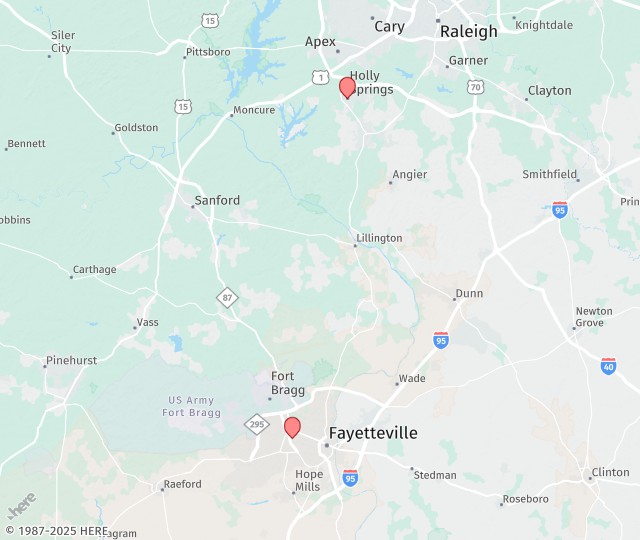
Schedule Glaucoma Care in Holly Springs and Fayetteville, NC
If you have concerns about glaucoma or notice changes in your vision, we recommend an early evaluation.To schedule a consultation, call 919-689-8920 or connect with us online to book an appointment.
We welcome patients from all surrounding areas, including Angier, Apex, Buies Creek, Carrboro, Cary, Chapel Hill, Clayton, Coats, Dunn, Durham, Eastover, Erwin, Fayetteville, Fuquay-Varina, Garner, Holly Springs, Hope Mills, Knightdale, Laurinburg, Lillington, Linden, Lumberton, Morrisville, New Hill, Pinehurst, Pittsboro, Raleigh, Raeford, Rockingham, Sanford, Smithfield, Southern Pines, Spring Lake, Stedman, Varina, Vander, Wake Forest, Wendell, Willow Spring, and Zebulon.